Captive Management

Your 6-Step Plan to Captive Optimization
Spring Consulting recommends regular refeasibility studies for captive insurance to align with shifting risk profiles and regulations. By reviewing performance and financing strategies, captives can continue to meet organizational goals efficiently, ensuring their structure remains relevant and sustainable in an evolving risk landscape. Learn More

Captive Insurance and Direct Placement Taxes Explained
Direct placement taxes apply to both surplus lines placements as well as placements with any nonadmitted company, such as a captive insurer. Learn More

Cell Structures and Captive Insurance Innovation
Cell captives, including protected cell companies, offer cost-effective self-insurance with shared expenses and lower capitalization, gaining popularity for hard-to-insure risks. Read More
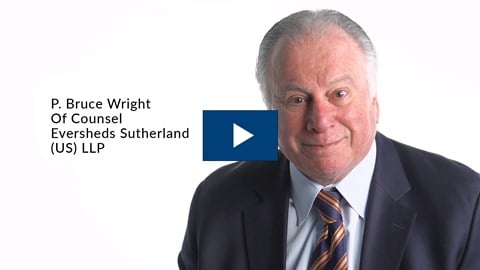
How to Move Your Captive Insurer to a Different Jurisdiction
Bruce Wright of Eversheds Sutherland explains that the most common way to move a captive to a different jurisdiction is through a merger, often via redomestication. Organizations also use assumption reinsurance agreements, where the insured transfers liabilities to the new insurer, releasing the old insurer from obligations. Read More

Key Attributes and Duties of Captive Insurance Managers
Captive insurance managers play a critical role in compliance, governance, financial oversight, and communication. Their work protects the captive's best interests while supporting strong relationships with regulators and stakeholders, helping ensure operational success and long-term stability. Read More

Captive Insurance Risk Pooling Explained
According to Bruce Wright of Eversheds Sutherland, risk pools in captives (1) allow organizations to spread risk and (2) provide for a tax benefit. Read More

What Makes a Captive Insurance Company Successful
Jeremy Colombik, president of Management Services International, states that five factors come into play to make a captive insurance company successful: (1) determining the type of risk to put into the captive (actuaries/underwriters), (2) minimizing commercial insurance costs, (3) better risk management, (4) increasing risk awareness, and (5) tax benefits. Read More