NOAA Forecasts Below-Normal 2026 Atlantic Hurricane Season

May 27, 2026
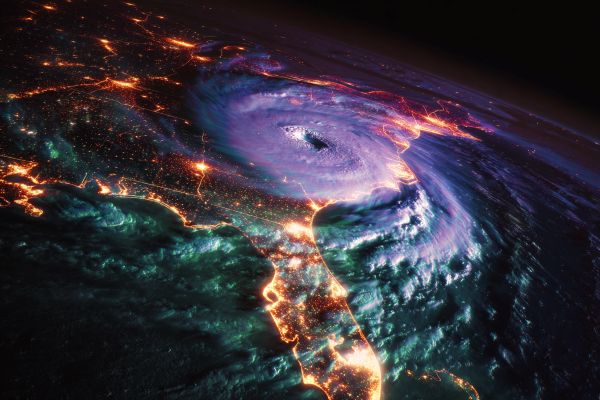
The National Oceanic and Atmospheric Administration (NOAA) forecasts a below-normal 2026 Atlantic hurricane season, citing the expected development of El Niño conditions that could suppress storm activity in the Atlantic Basin. The agency's outlook projects a 55 percent chance of a below-normal season, a 35 percent chance of a near-normal season, and a 10 percent chance of an above-normal season.
The Atlantic hurricane season officially runs from June 1 through November 30. NOAA predicts 8 to 14 named storms with winds of at least 39 mph. Of those, 3 to 6 are expected to become hurricanes, including 1 to 3 major hurricanes with sustained winds of at least 111 mph. NOAA said it has 70 percent confidence in those ranges. An average Atlantic season produces 14 named storms, 7 hurricanes, and 3 major hurricanes.
The forecast reflects competing climate conditions. NOAA said El Niño is expected to develop and strengthen during the season, which typically reduces hurricane formation in the Atlantic. At the same time, Atlantic Ocean temperatures are expected to remain slightly above normal and trade winds weaker than average, conditions that can support storm development.
"Although El Niño's impact in the Atlantic Basin can often suppress hurricane development, there is still uncertainty in how each season will unfold," Ken Graham, director of NOAA's National Weather Service, said. "That is why it's essential to review your hurricane preparedness plan now. It only takes one storm to make for a very bad season."
NOAA officials also highlighted new forecasting tools and technologies planned for the 2026 season. The National Hurricane Center will expand its tropical cyclone forecast cone graphics to include tropical storm and hurricane watches and warnings for inland areas across the continental US, Hawaii, Puerto Rico, and the US Virgin Islands. The center also plans to test an experimental forecast cone designed to better account for uncertainties in storm timing and direction.
Additional updates include new storm surge products for Hawaii and expanded use of artificial intelligence (AI) and machine learning in hurricane forecasting. NOAA said machine learning is now being used to improve quality control of radar data collected by Hurricane Hunter aircraft, increasing the amount of usable meteorological data by more than 25 percent.
For the first time, NOAA will also integrate data from small uncrewed aircraft systems into its hurricane forecast models. Researchers found the data can improve hurricane intensity forecasts by 10 percent.
"NOAA's rapid integration of advanced technology, including AI-based weather models, drones, and next-generation satellite data will deliver actionable science to safeguard the lives and livelihoods of the American people," NOAA Administrator Neil Jacobs said.
May 27, 2026