

Data Center Growth Creates New Insurance Challenges and Opportunities

June 16, 2026
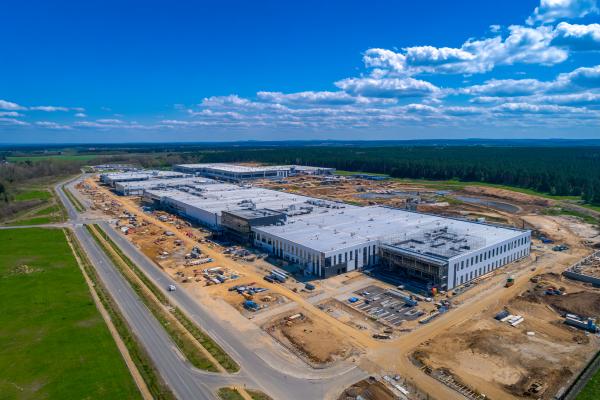
The rapid expansion of data centers across the United States is creating new demands for property-casualty insurers, according to AM Best's special report, "Evolving Data Center Landscape Requires Insurer Innovation." The report examines how growing artificial intelligence (AI) adoption and cloud computing are driving the development of increasingly large and complex data center projects that require specialized insurance solutions.
According to AM Best, data centers have become critical infrastructure for companies seeking to remain competitive as AI applications and cloud computing continue to expand. The report notes that there were 4,287 data centers operating in the United States as of May 2026, with Virginia and Texas hosting the largest concentrations. AM Best said the current wave of development is occurring at a larger scale and faster pace than previous expansions, supported by significant private investment and government efforts to accelerate certain projects.
The report highlights hyperscale data centers as a particular area of focus due to their size, rapid growth, and impact on local communities. According to the report, power consumption remains one of the most significant concerns, with some modern AI data centers consuming electricity comparable to approximately 100,000 homes. AM Best noted that data centers could account for as much as 12 percent of US electricity consumption by 2028, creating concerns related to energy demand, utility costs, water usage, and environmental impacts.
AM Best said the construction and operation of these facilities present a range of insurance exposures that may exceed traditional property and casualty insurance frameworks. The report states that business interruption coverage may be among the most important forms of protection for data center owners because of the scale of AI operations and the potential for complex power outages or operational disruptions.
According to the report, data center projects also require coverage for construction-related risks, including builders risk exposures, delays in project completion, and financial losses tied to delayed start-up. AM Best noted that construction timelines are often aggressive because facilities can begin generating revenue quickly once operational, making even modest delays financially significant.
The report also identifies substantial commercial property exposures associated with highly specialized equipment housed within data centers. According to AM Best, servers, networking hardware, cooling systems, and power infrastructure are expensive to repair or replace, while increasing heat loads may elevate fire risks compared with more traditional commercial facilities. Coverage considerations also include off-premises power failures, natural catastrophes, and other physical damage events.
Cyber risk remains another key concern. AM Best said data centers face both first-party and third-party cyber exposures, with coverage depending heavily on policy language and specific coverage grants. The report notes that a single cyber event could potentially trigger physical damage, business interruption losses, and data security claims, highlighting the complexity of insuring these facilities.
Environmental and liability exposures are also emerging as important considerations. According to the report, data centers require substantial amounts of water for cooling and significant electrical capacity, creating potential liability concerns if resource demands affect local residents or businesses. AM Best also cited potential pollution liabilities and third-party claims stemming from operational failures, property damage, or bodily injury.
Beyond underwriting exposures, AM Best noted that insurers may also face investment-related risks through private credit investments, private equity partnerships, and other financing arrangements used to support data center construction. According to the report, insurers and investment managers will need to monitor technological developments, regulatory changes, and legislative developments that could influence the long-term viability of these projects.
Copyright © 2026 by A.M. Best Rating Services, Inc. and/or its affiliates. ALL RIGHTS RESERVED.
June 16, 2026




